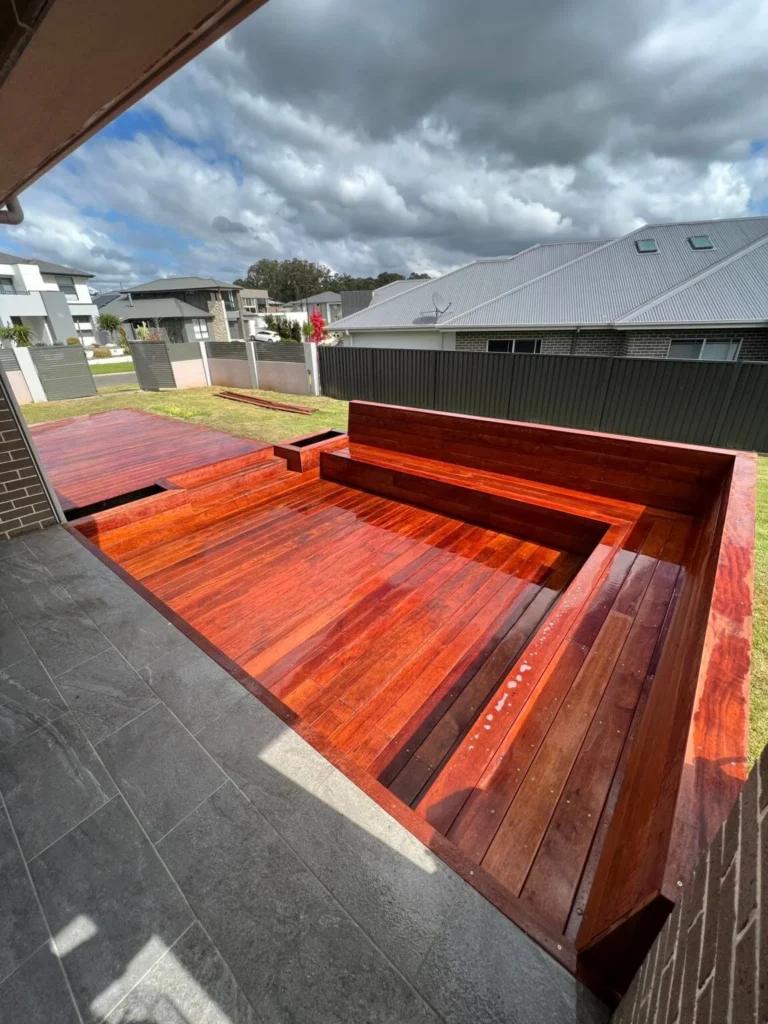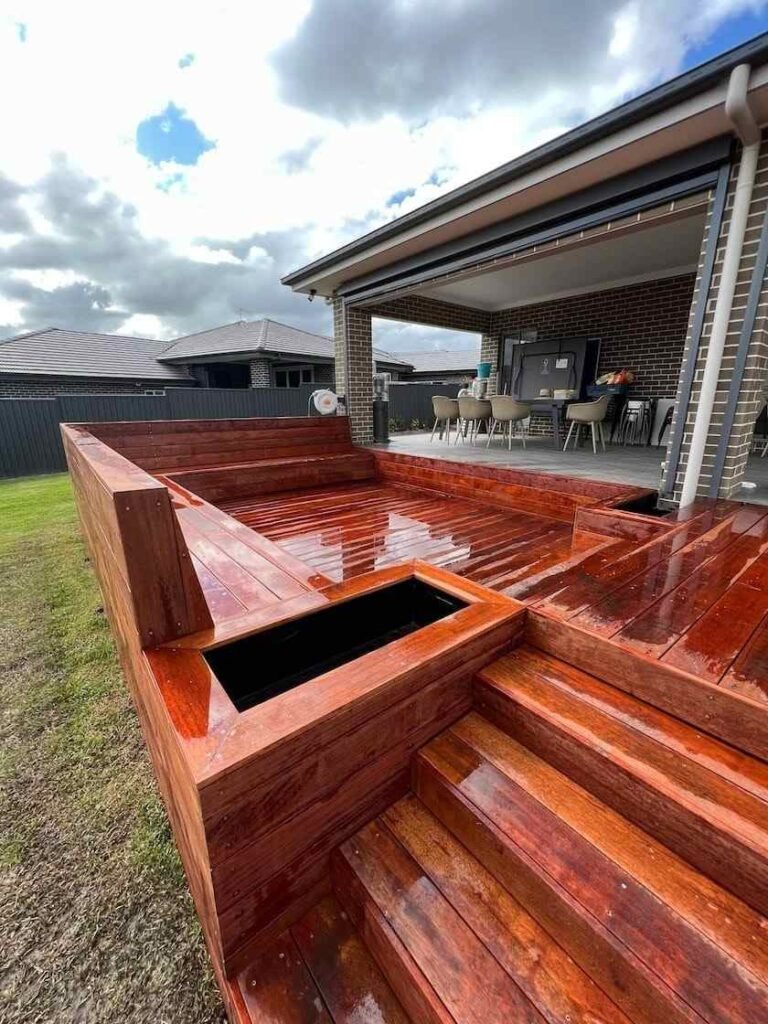

If you are planning a new deck and going back and forth between timber and composite, you are not the only one. It is one of the most common decisions Sydney homeowners make, and there is genuinely no wrong answer. Both look great and last well. The difference is how they fit into your life. What most people do not consider up front is that the material is only half of the decision. How the deck gets built matters just as much. Proper levelling, solid structure, and good drainage are the things that determine how long your deck actually lasts. That is why working with decking specialists who understand both materials and how each one behaves in Sydney’s climate makes such a difference to the finished result. Read below to learn more about timber and composite decking in Sydney.
Composite or Timber? Choosing the Perfect Deck for Your Sydney Home
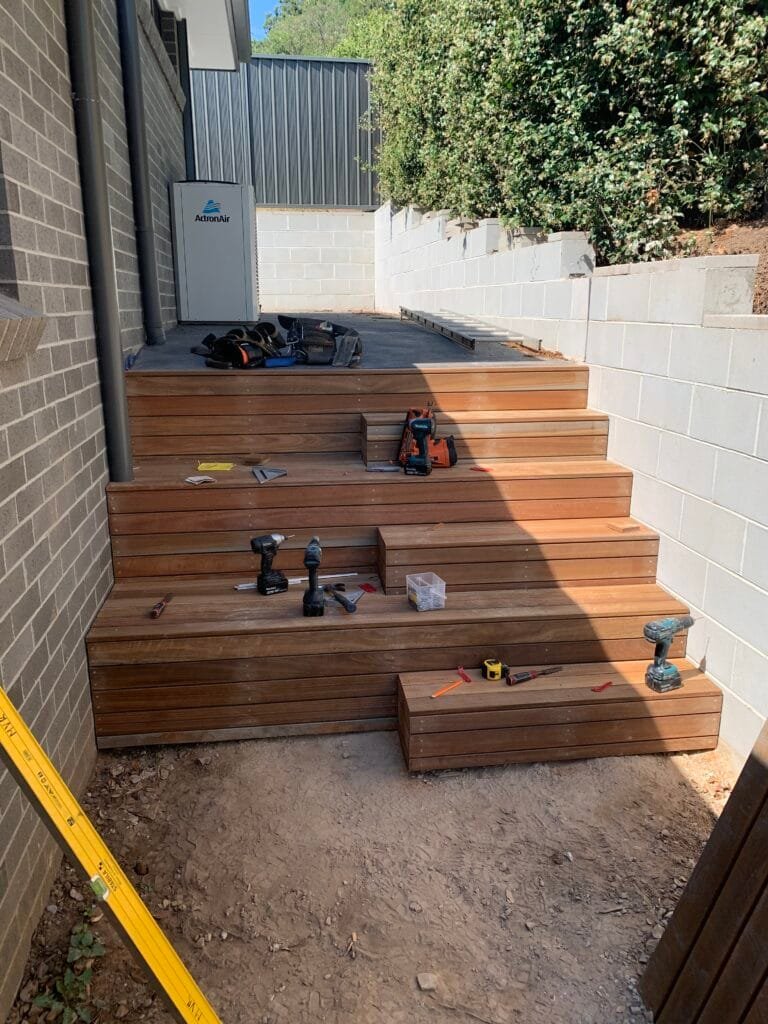
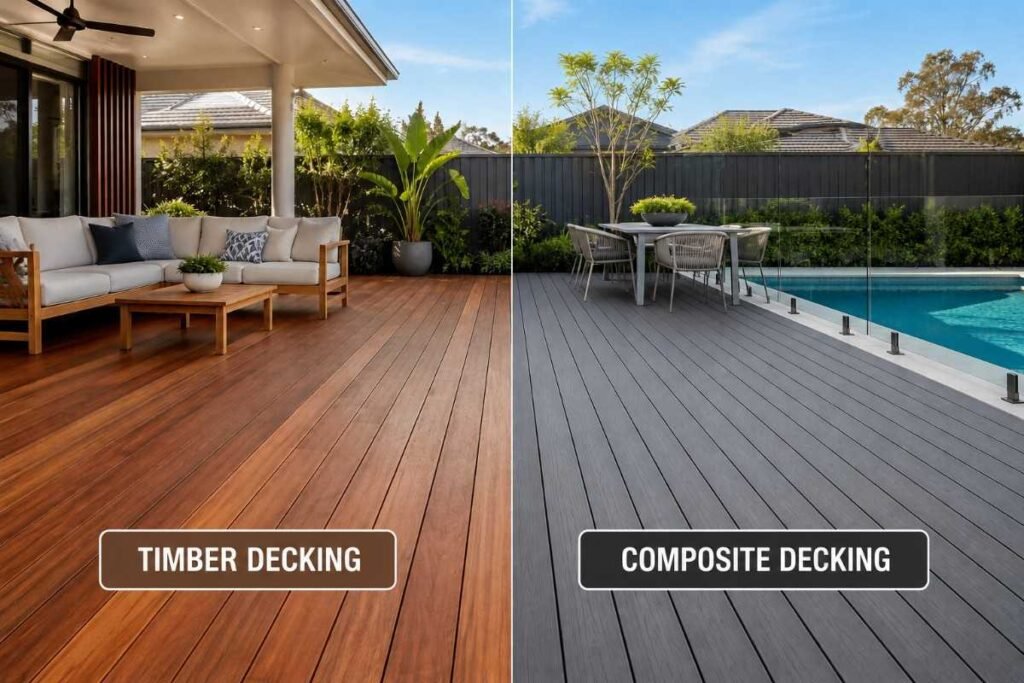
Timber is a classic option for all good reasons. Natural hardwood, such as Gum, Merbau, or Blackbutt in Sydney, has a warmth and character that’s hard to replicate. When it’s well built and properly looked after, it looks stunning and ages beautifully.
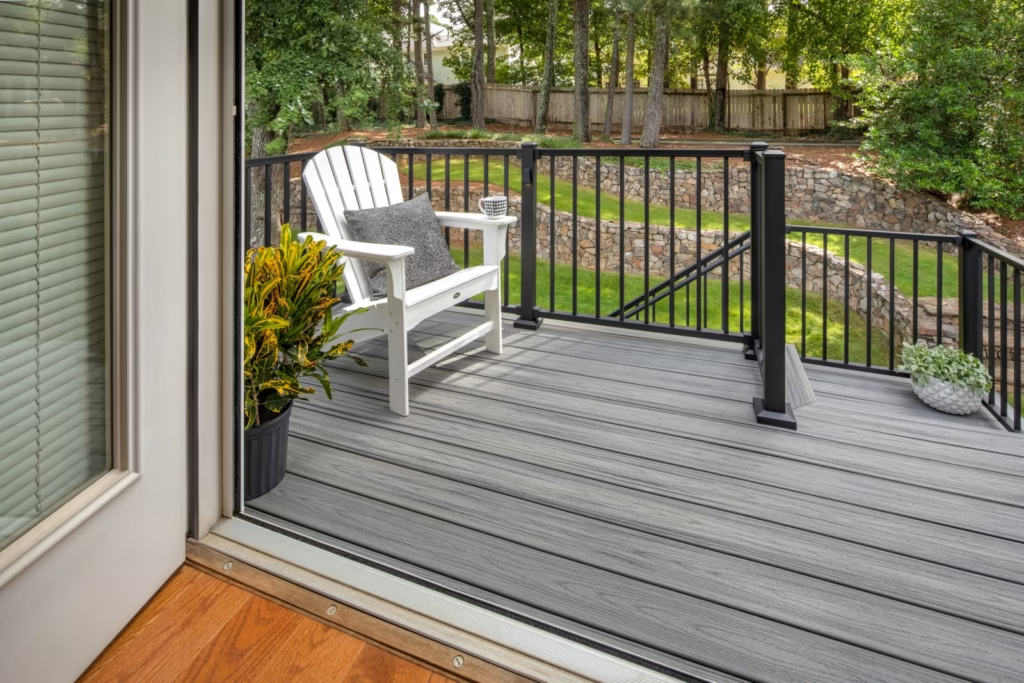
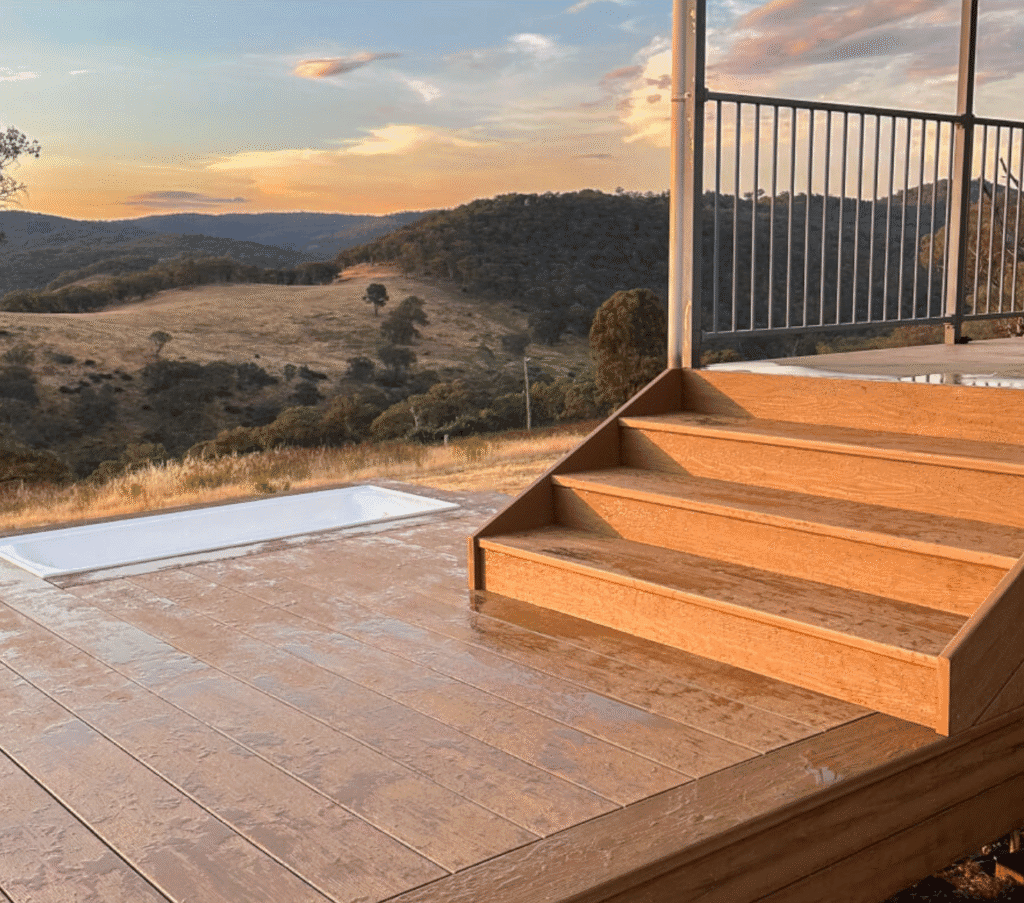
Composite is made from a blend of wood fibres and recycled plastic, engineered to mimic the look of timber while requiring far less upkeep.
Both can produce a result you’ll be happy with. The real question is what you’re actually prepared to commit to over the years ahead.
Composite vs. Timber Decking Maintenance: The Real Cost of Upkeep in Sydney
This is the part of the conversation that tends to make or break the decision.
What timber decking requires:
A hardwood deck needs oiling every 12 to 18 months. When that gets skipped, the timber dries out, cracks, and eventually splinters. Sydney’s heat and UV intensity accelerate that process, and the wetter months don’t give it much of a break either. You’ll also need to sand the surface back periodically and watch out for mould in moisture-prone areas.
What composite decking requires:
A Composite deck is far more forgiving. Washing it down with soapy water a few times a year is about all it asks. No oiling, no sanding, no staining. The boards won’t crack, warp, or splinter, and most quality products come with warranties of 25 years or more.
Composite costs more upfront, but when you add up years of oiling, sanding, and occasional repairs on a timber deck, the gap closes considerably over time.
Which Option is Better for Families and High-Traffic Areas?
Is Composite Decking Safer for Kids and Pets?
Composite decking doesn’t splinter, which makes a real difference when kids and pets are running around barefoot in summer. Most boards also carry a slip-resistance rating, which matters around pools or on decks that get wet regularly. Timber can be treated for slip resistance, but it needs consistent reapplication to stay effective. For decks that get used hard every day, composite decking tends to hold up better and show less wear over time.
Environmental Considerations: Timber vs Composite
Responsibly sourced Australian hardwood is renewable and biodegradable. If sustainability matters to you, look for FSC-certified timber to confirm it’s been harvested responsibly. Composite uses recycled content, typically reclaimed plastic and waste sawdust that would otherwise go to landfill. The trade-off is that composite isn’t biodegradable at the end of its life.
Cost Comparison: What Sydney Homeowners Actually Pay
Timber costs less upfront. Hardwood species like Merbau and Spotted Gum are competitively priced and easy to source across Sydney. Composite costs more initially, but the reduced maintenance over the life of the deck often makes it the better value in the long run.
So, Which Should You Choose for Your Sydney Home?
Choose Composite If:
- You want a deck you can enjoy without it becoming a maintenance project
- The deck will see heavy foot traffic or is near a pool
- You have young kids or pets using the area regularly
- You’re thinking about long-term value over upfront cost
Choose Timber If:
- The natural look and feel of real hardwood matter to you
- You’re honestly willing to commit to proper maintenance every year
- Your upfront budget is tighter, and you’re prepared to keep up with the upkeep
- You want a classic finish that suits the character of your home
The Anatomy of a Flawless Build
Choosing the right material counts for a lot less if the installation isn’t done properly. A poorly built deck will develop structural issues, drainage problems, and uneven surfaces that get expensive to fix regardless of what it’s made from.
A good build starts with a proper site assessment, checking ground conditions, drainage, and structural requirements before a single board goes down. The frame needs to be level, correctly spaced, and built from materials suited to outdoor Sydney conditions. Board spacing matters too. Boards laid without enough room don’t allow for expansion or drainage, leading to warping and movement over time.
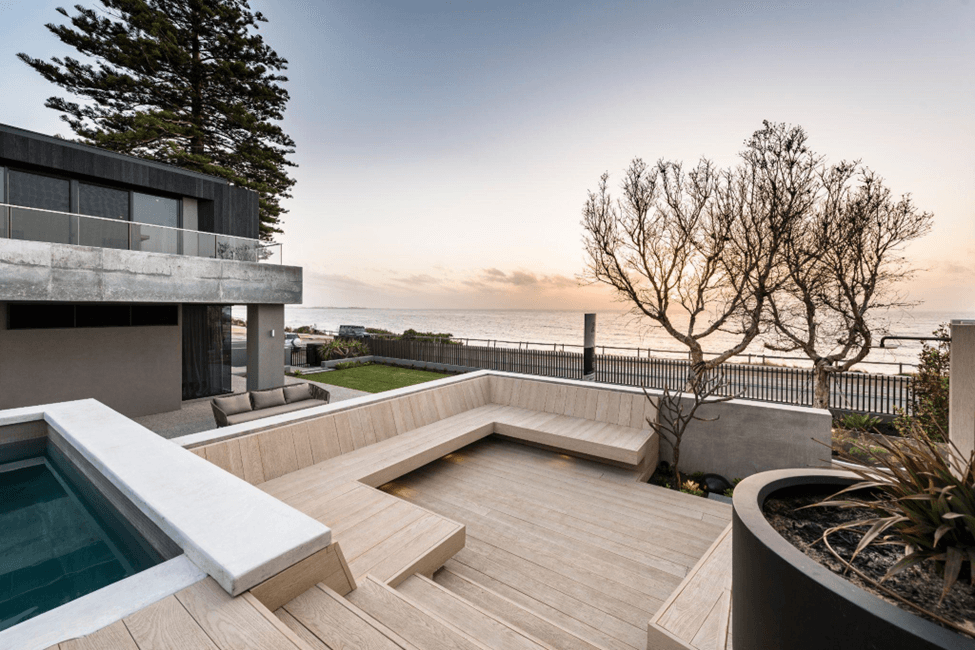
The finishing details, edges, stairs, and fixings are what bring everything together and make the difference between a deck that looks professionally done and one that doesn’t. Working with experienced timber decking Sydney or composite decking specialists is the most reliable way to get this right the first time.
Critical Planning Mistakes to Bypass
A few planning oversights come up regularly with deck projects across Sydney, and they’re all avoidable.
Not checking council requirements early is the most common one. Depending on the size and height of your deck, you may need a Development Application before work can begin. A quick check with your local council at the planning stage can save you from headaches later.
Being unrealistic about maintenance catches more people than you’d expect. It’s easy to commit to annual oiling of the timber deck. It’s harder to follow through when life gets busy. Keep this in mind while choosing the material.
Drainage is another thing that tends to get overlooked until water is pooling somewhere it shouldn’t. It needs to be designed into the build from the start, not dealt with later. And when comparing quotes, be cautious about the one that comes in significantly lower than the rest. There’s usually a reason, and it tends to show up in the finished product.
Why Choose MVR Decking for Composite and Timber Decking in Sydney?
MVR Decking handles everything from the initial design conversation through to the completed build, across both composite decking in Sydney and timber projects. In 2024, our team won 1st place for Best Timber Deck at the Australian Decking and Handrail Association Awards, which reflects what we bring to every job, not just the standout ones. Every project is a custom build, approached with a genuine understanding of the space and how the homeowner uses it.
Talk to MVR Decking Before You Decide
Choosing the decking material is a big decision. Before finalising, reach out to the experts. MVR Decking offers free consultations across Sydney. You’ll get honest, straightforward advice based on your actual space, not a generic answer that could apply to anyone.
Frequently Asked Questions About Composite and Timber Decking in Sydney
What is the best decking material for Sydney's climate?
What is the best decking material for Sydney's climate?
Both perform well, but composite decking Sydney handles the heat, UV, and humidity with significantly less effort. Timber holds up well, too, when it’s maintained consistently.
How long does composite decking last compared to timber in Australia?
How long does composite decking last compared to timber in Australia?
Quality composite products typically carry warranties of 25 years or more. Well-maintained hardwood timber can last a similar length of time, but it needs regular oiling and care to get there.
Do I need council approval to build a deck in Sydney?
Do I need council approval to build a deck in Sydney?
It depends on the size and height of the deck. Many standard ground-level decks fall under exempt development. Larger or raised structures often require a Development Application. Check with your local council before starting.
Which decking is better for families with kids and pets – composite or timber?
Which decking is better for families with kids and pets – composite or timber?
Composite decking is generally a more practical choice. It doesn’t splinter and tends to offer better slip resistance without needing additional treatment.
What maintenance does composite decking require?
What maintenance does composite decking require?
Very little. Washing it down with soapy water a few times a year is typically all it needs. No oiling, staining, or sanding is involved.
Can composite decking be installed over an existing timber frame?
Can composite decking be installed over an existing timber frame?
Yes, but the existing frame needs to be assessed for structural integrity first. A professional installer will check this before proceeding.
How do I choose the right composite deck installer in Sydney?
How do I choose the right composite deck installer in Sydney?
Look at their completed work, read reviews from real clients, and make sure pricing is transparent upfront. Industry recognition is a reliable sign of consistent quality.