
A worn-out timber deck can nearly always be saved. You look it over, swap any boards or screws that are past it, clean and sand it, then put a decent oil or stain on top. That’s really all Deck Restoration is, and if the frame’s okay, it costs far less than a new deck. We’re MVR Decking, a family-run team of licensed carpenters out of Spring Farm, restoring decks for over 20 years, and one of our builds won Best Timber Deck at the 2024 Australian Decking & Handrail Association awards. We work on homes, shops and industrial sites across Greater Sydney, from the Sutherland Shire to the Northern Beaches, always on a fixed quote.
Sydney weather is tough on timber. A few summers of sun, salty air and storms, and boards fade, split and cup until a quick oil won’t fix it.
What Is Timber Deck Restoration?
What Does Professional Deck Restoration Include?
We check the top and underneath, replace anything rotten or rusty, then clean, sand and recoat.
Restoration vs Repair vs Replacement
A repair is fixing one thing, say that loose board near the back door. Restoration is doing the whole deck. If the joists or bearers have rotted out, a new deck is usually the better spend.
Signs Your Timber Deck May Need Restoration
Faded or Grey Timber
Grey, silvery boards are what you get after years of sun. It’s only surface deep, so it sands back.
Peeling, Patchy or Worn Finishes
Nine times out of ten the last coat went on a dirty or damp deck, and it has to be stripped back.
Rough Boards, Splinters or Surface Cracks
If your kids have started wearing thongs on the deck, it’s probably overdue. Deep splits need a closer look.
Loose Boards, Rot or Movement
Poke soft spots with a screwdriver, and if it goes in easily you’ve got rot. Bouncy or hollow boards, or mud tunnels, can mean termites, so get an inspector out first.
How to Restore a Timber Deck: Step-by-Step Process
Step 1: Inspect the Deck and Assess Its Condition
Take a torch under the deck. The joists, bearers, footings and fixings tell you more than the boards.
Step 2: Repair or Replace Damaged Boards and Fixings
We try to match the new boards to the old ones, whether that’s spotted gum, blackbutt, merbau or tallowwood. Near the water, use stainless screws or you’ll get rust marks.
Step 3: Clean and Prepare the Timber Surface
A proper timber deck cleaner gets dirt, mould and tannin stains off. Keep a pressure washer well back, because up close it shreds the grain.
Step 4: Sand the Deck Where Appropriate
Sanding takes off the grey layer, old coating and splinters in one go. Punch raised nails down first or they’ll wreck your belts.
Step 5: Choose the Right Decking Oil or Stain
This depends on the timber you’ve got and how much sun the deck cops (more on that further down).
Step 6: Apply the Finish According to Product Instructions
Go thin, work along each full board, and pick a dry day, avoiding the midday heat so it doesn’t dry blotchy.
Step 7: Complete Final Checks and Plan Maintenance
Do a slow lap, touch up anything missed and set a phone reminder for the next coat.
Decking Oil vs Stain: Which Finish Is Right for Your Deck?
Most people ask for oil because it brings out that warm, natural colour, but in full sun you’ll redo it every 6 to 12 months. Stain has more pigment, so it copes better with sun and evens out mismatched boards, though you see less grain.
What Affects Deck Restoration Costs in Sydney?
Price comes down to how big the deck is, what shape it’s in, how many boards need replacing, the type of timber, stairs, access and the finish you pick. We’d rather have a look than guess over the phone.
How to Maintain a Restored Timber Deck
Routine Cleaning and Inspection
Sweep it often, give it a wash each season and don’t let leaves pile up in the gaps.
When to Reapply a Finish
If water soaks straight in instead of beading, recoat.
Coastal, Shaded and High-Use Decks
Salt air, shady spots and heavy foot traffic all wear the finish down quicker, so check those decks more often.
Restoration vs Grey Composite Decking
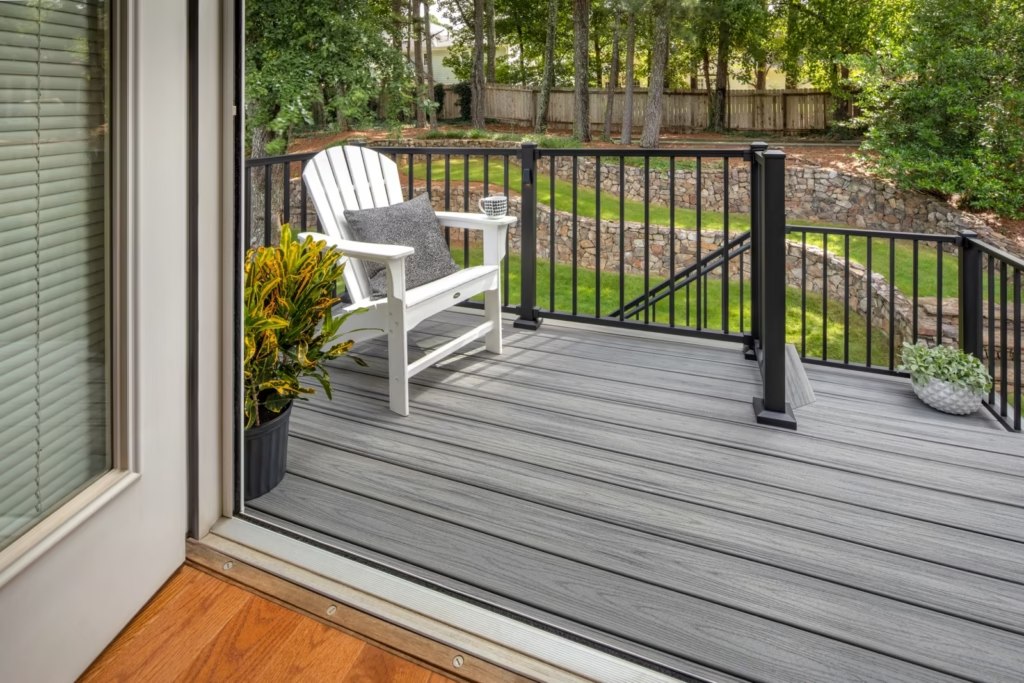
Over restoring every couple of years? Grey composite decking never needs oil, won’t splinter, and holds its colour, though it costs more upfront and doesn’t feel like real timber. As Composite Deck Installers too, we can talk you through both.
Why Choose MVR Decking for Deck Restoration in Sydney?
Whichever Deck Builders Sydney firm you end up talking to, ask how long they’ve been at it, see finished restorations, and check they’re licensed and insured. Most of our Timber Decking Sydney jobs are spotted gum, blackbutt, merbau and treated pine, and we restore composite decks as well.
Restore Your Timber Deck with Professional Deck Restoration in Sydney
A tired deck usually isn’t a lost cause. If the frame’s in good nick, repairs and a proper finish buy you plenty more summers.
Want your deck looking right again? Book a free on-site Deck Restoration quote with MVR Decking today.
Frequently Asked Questions
Can my existing timber deck be restored, or does it need replacement?
Can my existing timber deck be restored, or does it need replacement?
As long as the joists, bearers and footings are still solid, it can usually be restored. If rot or termites have got into a lot of the frame, you’re normally better off replacing it.
What does professional deck restoration include?
What does professional deck restoration include?
We’ll inspect the deck, fix or replace any bad boards and fixings, clean and sand it, put on oil or stain, and then go over it all once more at the end.
How are damaged boards and structural problems assessed?
How are damaged boards and structural problems assessed?
We start with the boards, looking for rot, splits and movement, and then get underneath to check the joists, bearers, footings, fixings and any sign of termites.
Does the timber need sanding before oiling or staining?
Does the timber need sanding before oiling or staining?
Usually it does, since sanding takes off the grey fibres and old coating so the new finish soaks in evenly. If a deck’s been well looked after, though, a good clean can sometimes be enough.
Which finish is appropriate for my timber and exposure conditions?
Which finish is appropriate for my timber and exposure conditions?
For hardwood that doesn’t get too much harsh sun, a penetrating oil works well. In full sun or near the coast, you’ll get more life out of a pigmented stain or a UV-resistant finish.
How long will restoration take, and when can the deck be used again?
How long will restoration take, and when can the deck be used again?
Most decks take two to four days, depending on the weather and how much repair work there is. You can generally walk on it lightly a day or two after the last coat goes on.
What factors affect the cost of deck restoration in Sydney?
What factors affect the cost of deck restoration in Sydney?
Mostly it’s the size, condition, number of boards to replace, the timber, stairs, access and which finish you choose.
What should I look for when choosing a decking contractor?
What should I look for when choosing a decking contractor?
You want a current NSW licence, insurance, photos of past restorations, a written itemised quote and someone who’ll explain clearly what’s going on under your deck.