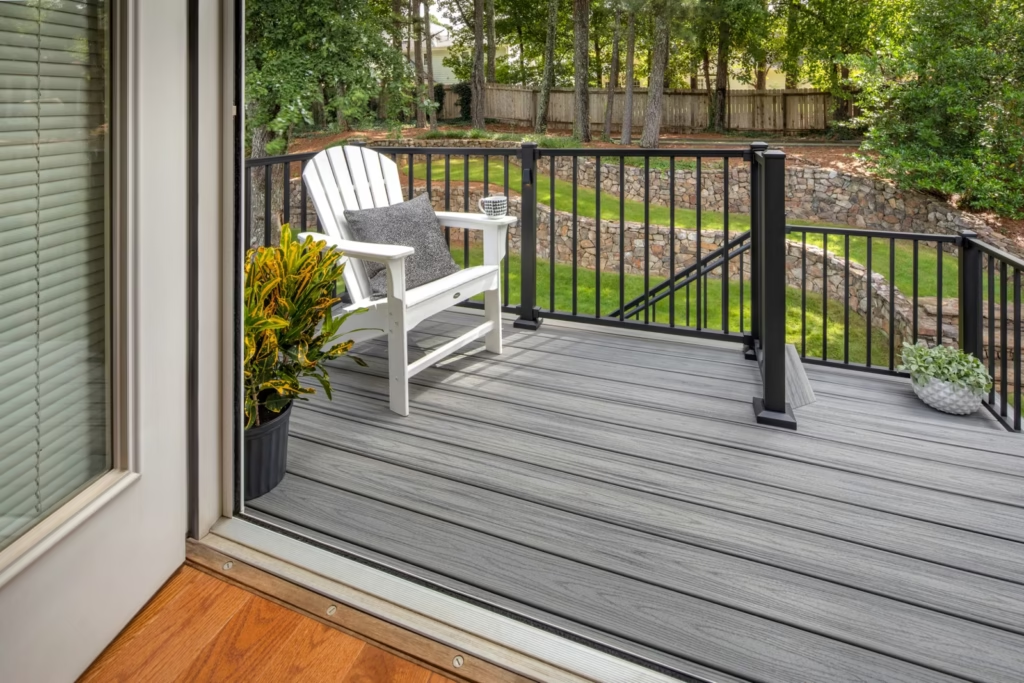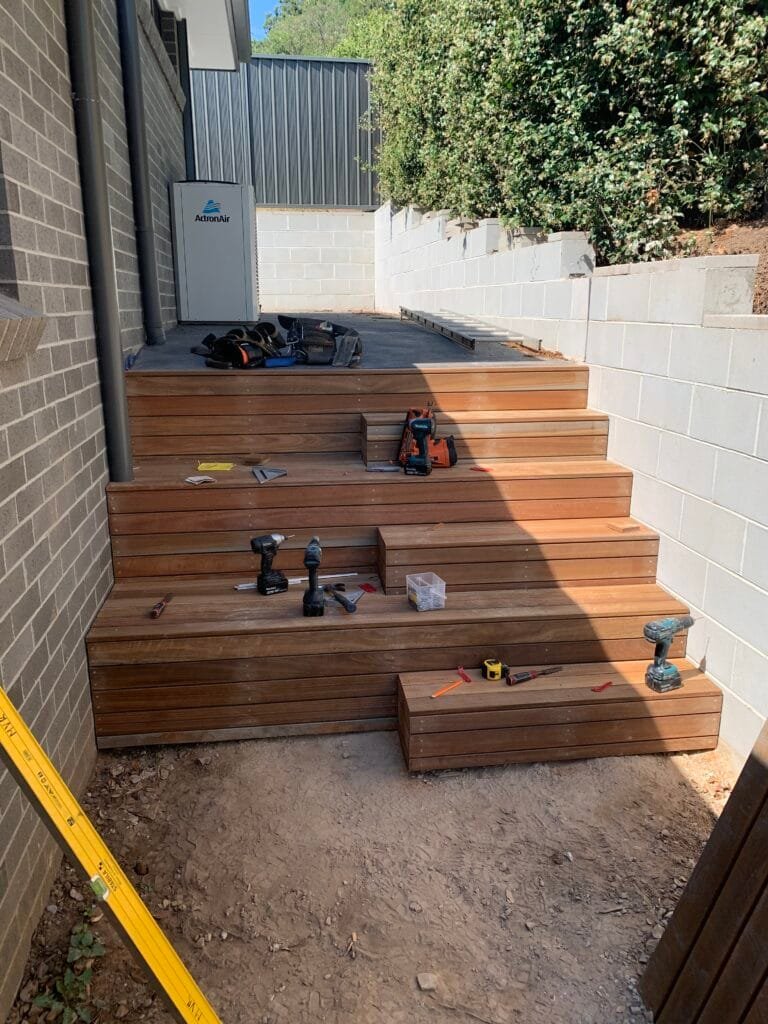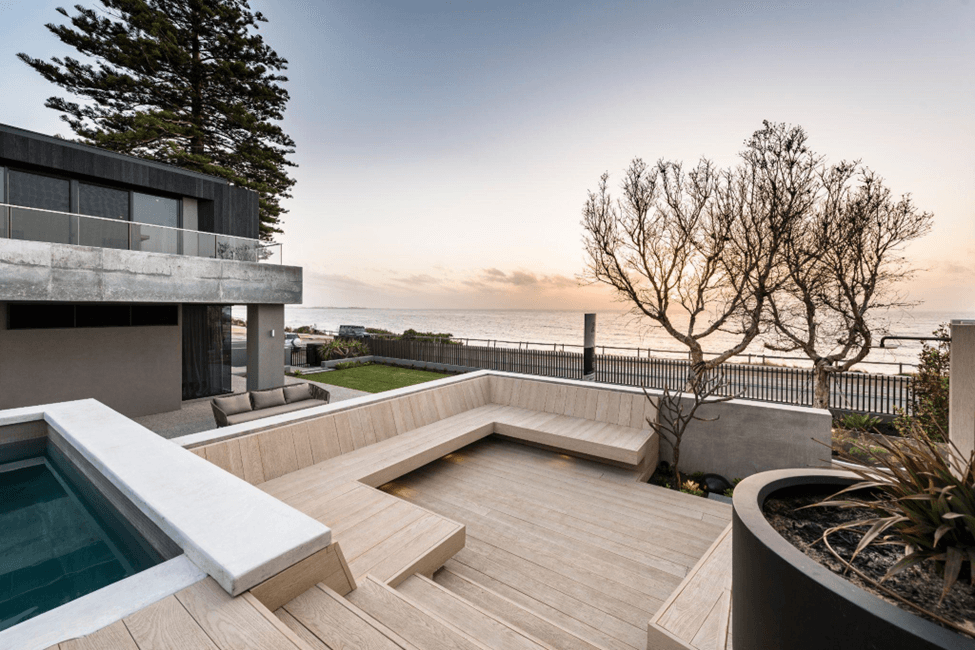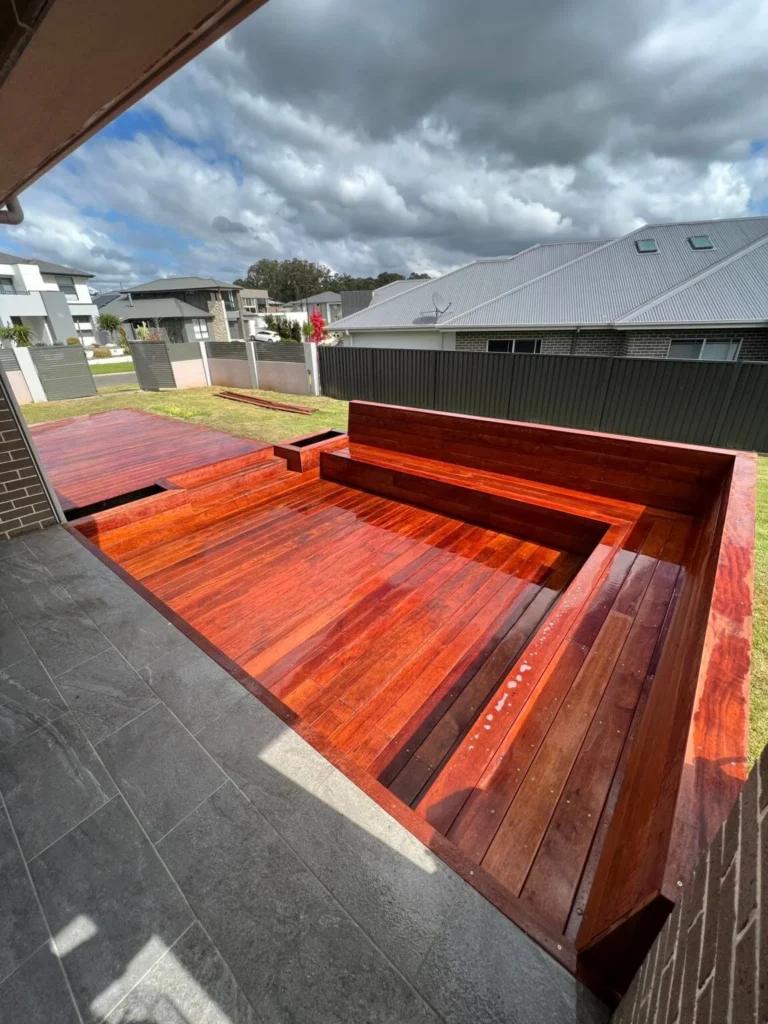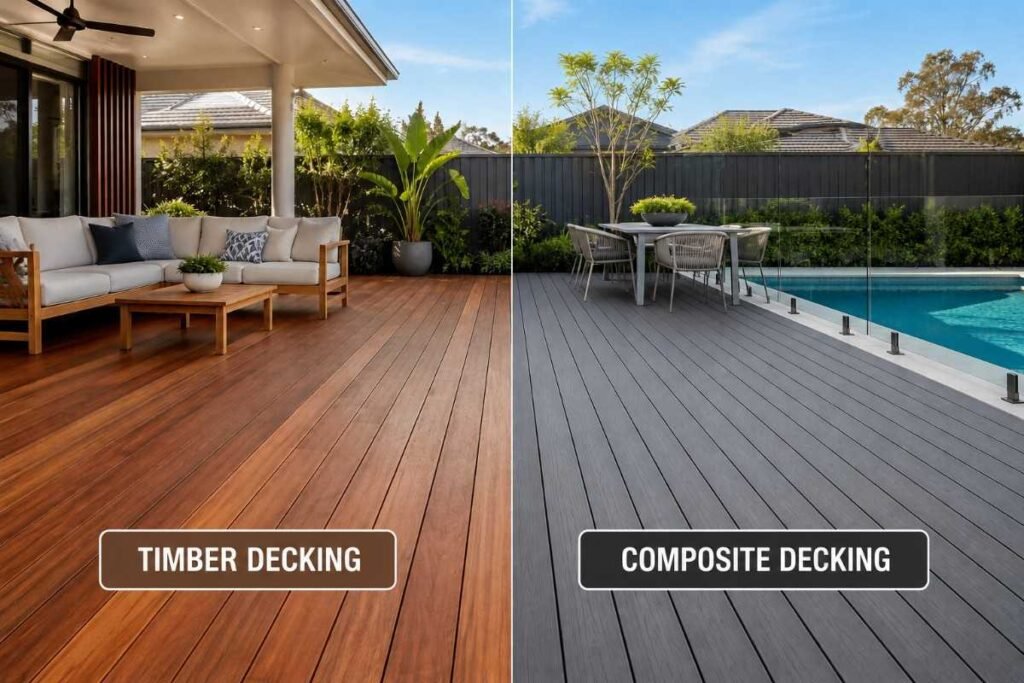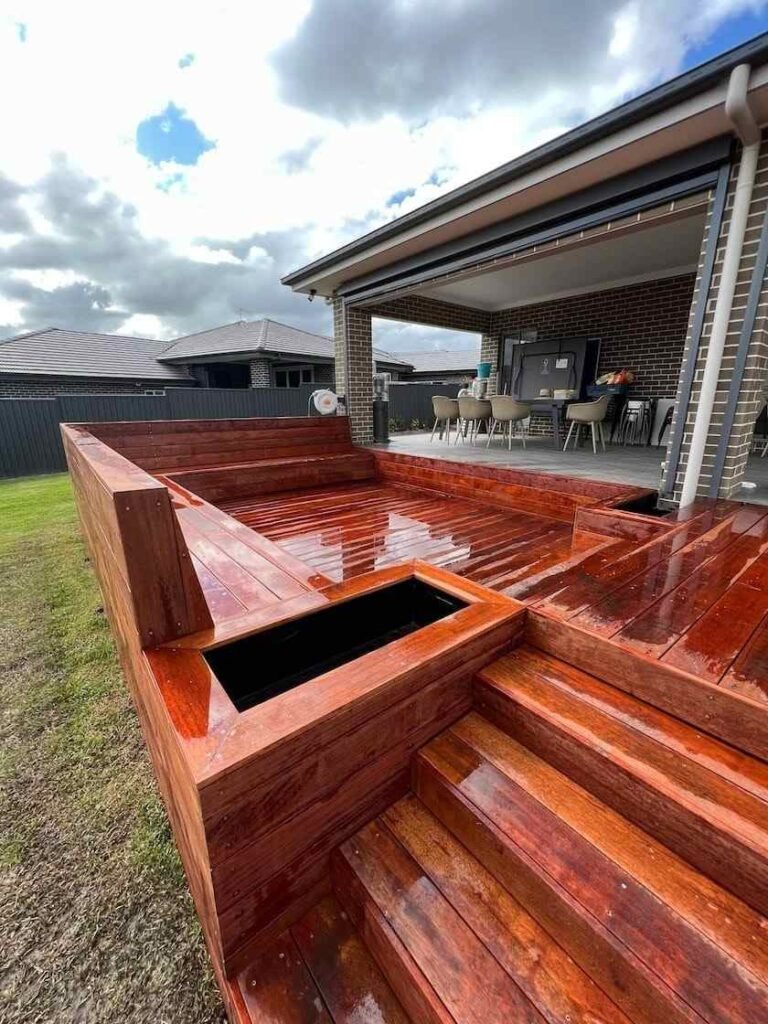

If your outdoor steps are cracking, going slippery when it rains, or smelling a bit off after a wet week, your timber has had enough. Stairs Decking built from composite material fixes most of these problems in one hit, and for Sydney homes dealing with harsh sun, salt air, and sudden downpours, it’s now the standard fix rather than a fringe upgrade. This guide covers checking your stair frame, choosing the right boards, 2026 costs, and when to call a professional.
Why Timber Stairs Struggle in Sydney’s Climate
Sydney sun bakes exposed timber and pulls the moisture out, so boards cup, split, and grey within a few years, especially on a west-facing staircase. Add coastal humidity and salt air, and you get swelling, rot, and rusting fasteners. That’s not a maintenance failure; it’s just what untreated timber does over an Australian summer and a wet winter, and the result is slippery, sagging steps that are a genuine trip hazard for kids and older family members.
Check the Subframe Before You Buy a Single Board
Before ordering any composite tread, get under the stairs and look at the frame. This is the step most homeowners skip, and it’s the one that causes problems later.
- Stringer spacing – composite treads need support every 300mm to 400mm, tighter than most older timber frames.
- Joist and stringer condition – press a screwdriver near the fixings. If it sinks in easily, that section needs replacing.
- Load capacity – stairs take concentrated foot traffic, so a frame fine for a flat deck can still be undersized here.
A solid frame can often take composite treads straight on. A compromised one needs rebuilding first, no matter how good the boards on top are.
Choosing Composite Boards for Stairs Decking
Not every composite board is rated for stair use, and this is where a lot of research goes wrong. Capped composite boards have a polymer shell that resists UV fading and moisture far better than uncapped alternatives. Slip resistance matters more on steps than a flat deck, so an R11 or P5 rating is worth asking about directly, and if your property sits in a bushfire-prone part of greater Sydney, check the board’s Bushfire Attack Level (BAL) rating too.
Getting the NCC Building Code Right
The National Construction Code sets rules for stair rise and going that apply whether you’re building in timber or composite stairs decking. Risers and treads must stay consistent throughout the flight, since uneven steps cause most trips on outdoor stairs, and any stair over a metre high needs a compliant handrail. A registered building certifier can confirm what applies to your job. Add contrasting stair nosing for night visibility and drainage gaps to stop water pooling at the bottom step while you’re at it.
Cost, Safety and Long-Term Value
Composite stairs cost more upfront than a basic timber rebuild, but there’s no annual sanding or restaining, and reputable brands back their boards with 15 to 30 year warranties against rot, termites, and fading. Over a decade, that’s usually cheaper overall.
Composite Deck Installers vs DIY: Who Should Build Your Stairs
A flat deck is a reasonable DIY project. Stairs are different, since the rise, going, and stringer calculations must be precise, and getting them wrong is a safety issue, not a cosmetic one. Licensed Composite Deck Installers know clip systems, ventilation under treads, and nosing finishes that won’t lift or chip. When comparing quotes, ask any Deck Company how many stair-specific jobs they’ve built, since it’s a different skill set to flat decking.
Upgrade to Safe, Low-Maintenance Composite Decking Stairs
Rotting treads and slippery steps aren’t something to patch up every winter and hope for the best. A proper subframe assessment, the right composite board for Sydney’s conditions, and a compliant build fix the problem for good. If you’re ready to move forward with your stairs decking project, get in touch with MVR Decking for a site assessment and a straightforward quote.
Frequently Asked Questions
Are composite decking boards suitable for outdoor stairs?
Are composite decking boards suitable for outdoor stairs?
Yes, if the board is rated for stair use with adequate slip resistance and the subframe meets spacing requirements.
What is the downside of composite decking?
What is the downside of composite decking?
Higher upfront cost than basic timber, and some boards get hot underfoot in direct sun.
What is the best composite decking in Australia according to reviews?
What is the best composite decking in Australia according to reviews?
Reviews favour capped composite ranges from established manufacturers with strong warranty support and good colour retention.
How much does it cost to have deck stairs built in Sydney?
How much does it cost to have deck stairs built in Sydney?
It varies with stair height, board profile, and subframe condition, so a site-specific quote beats a national average.
Can I install composite stair treads on an existing wooden subframe?
Can I install composite stair treads on an existing wooden subframe?
Often yes, provided the timber is sound and stringer spacing meets the manufacturer’s requirements.
What is the best composite decking board profile for stairs?
What is the best composite decking board profile for stairs?
Grooved or ribbed capped profiles perform best, since the texture adds grip a smooth board can’t.