
Most people don’t think about their deck until something feels off. A board flexes more than it used to. The colour’s gone patchy in a way you can’t really explain. None of it seems urgent on its own. But if you’re a Sydney homeowner, you already know the sun, rain, moisture and everyday use take a real toll on timber, and what you see on top is usually only half the picture.
Here’s the thing, though: decks almost always warn you before they become unsafe. You just have to know what you’re looking at, and an experienced deck company can usually spot it before you do. Below are 15 signs worth taking seriously, what actually happens during a professional deck restoration, and how you’d know if it’s a simple repair or something bigger.
Why Regular Deck Restoration Is Important for Sydney Homes
How Sydney weather affects timber decking
Honestly, the weather here doesn’t do timber any favours. Summer heat and UV dry boards faster than you’d think. Winter humidity does the exact opposite, pushing moisture back in and creating perfect conditions for rot. Add salt air if you’re anywhere near the coast, and it’s even worse.
Timber that isn’t looked after doesn’t just start looking tired. It actually breaks down underneath. That’s a big part of why deck restoration in Sydney comes up so often, usually earlier than people expect.
Why neglected decks become unsafe over time
Decks don’t just fail one day out of nowhere. It’s slow, and that’s exactly why it’s easy to ignore. A loose board or a hairline crack doesn’t feel urgent, so it gets left. Moisture keeps getting in, timber keeps softening, the whole thing keeps losing strength. By the time it actually feels wobbly, there’s usually a fair bit more going on underneath than you’d guess.
Restoration vs replacement: understanding the difference
Restoration is working with what’s already there. Swapping out a few boards, tightening loose fixings, and a fresh coat. Replacement’s the bigger job, tearing out most or all of it and starting again. If the frame’s still solid, restoration usually makes more sense, quicker and easier on the budget. Replacement really only comes into play once the damage’s gone past what repairs can fix.
15 Signs Your Deck Needs Restoration
1. Timber Boards Are Cracked or Splitting
Doesn’t look like much at first, but a crack is basically an open door for water. Once that’s in, rot follows fast, and it won’t stay contained to just one board either.
2. Your Deck Has Soft or Rotten Timber Areas
Press a screwdriver, or even just your thumb, into a board. Does it give way easily? That’s already rotting from the inside, even if it looks totally fine on top.
3. Deck Boards Feel Loose or Unstable
You’ll feel this before you see it. Movement underfoot usually means fixings or joists have started to give up, and it rarely stays limited to one spot for long.
4. Visible Mould, Mildew or Algae Growth
Those dark patches in shaded corners aren’t just ugly. They mean moisture’s sitting somewhere it shouldn’t be. Also makes the surface genuinely slippery, especially around pool decks and stairs.
5. Timber Has Lost Its Original Colour
Gone grey or blotchy compared to when it was new? That’s usually the coating breaking down. Once that’s gone, the timber’s taking the full hit from sun and rain with nothing protecting it.
6. The Deck Surface Has Become Rough or Splintered
You’ll know this one fast if you walk it barefoot. Rough, splintering timber means it’s dried out more than it should, worth sorting quickly if you’ve got kids or pets.
7. Water No Longer Absorbs Properly Into Timber
Pour a bit of water on the boards and see what happens. Beads up instead of soaking in? Timber’s lost its natural oils and needs treatment.
8. Nails, Screws or Fixings Are Coming Loose
Fixings popping up or spinning loose usually means the timber’s moving or the metal’s corroding. Doesn’t seem like a big deal alone, but it adds up over time.
9. Deck Boards Are Warped or Uneven
Cupping, twisting, bowing, whatever you call it, it’s usually uneven moisture, sometimes from poor airflow underneath. Creates real trip hazards too, and it only gets worse with time.
10. Your Deck Looks Faded and Weathered
Not necessarily a red flag on its own. Even good timber fades after years in the sun, that’s just normal. What surprises people is how much a proper sanding and re-coat can bring it back.
11. The Deck Requires Frequent Maintenance
If you’re re-oiling or patching the same spots every year, that’s your deck telling you patchwork’s stopped working. At some point, a proper restoration just makes more sense than the constant small fixes.
12. There Are Gaps Between Deck Boards
A bit of gapping’s normal. Wider than expected usually means shrinkage, or sometimes just how it was put together in the first place. Either way, bigger gaps trap more dirt and moisture underneath.
13. The Deck Structure Shows Signs of Damage
Sagging bearers, cracked joists, posts that don’t feel solid. It’s about the structure holding the whole thing up, not just how it looks, so get it checked properly.
14. Your Deck Paint or Coating Is Peeling
Once the coating starts flaking, the timber’s exposed and weather damage speeds up fast. Catching it early and getting a fresh coat on is a lot cheaper than dealing with rot later.
15. Your Deck Is More Than 10 to 15 Years Old
Even a deck that’s been well looked after eventually hits a point where a full restoration just makes more sense than patching it up bit by bit. If yours is around this age, get it checked even if nothing seems obviously wrong.
What Happens During a Professional Deck Restoration Process?
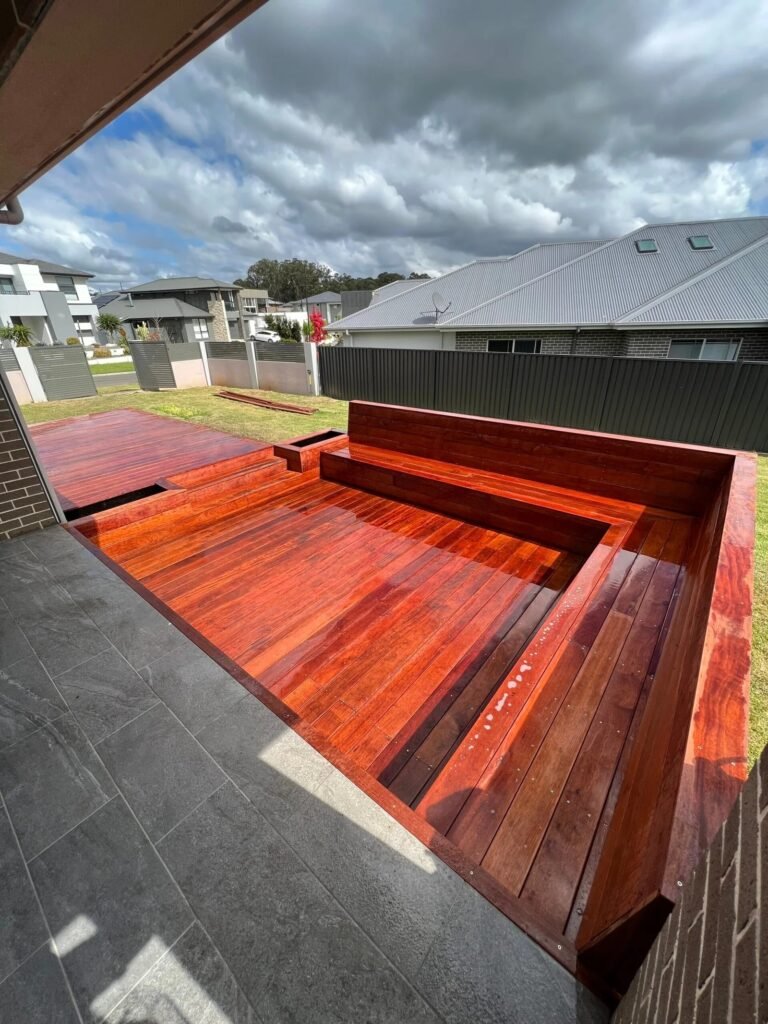
It starts with a proper inspection. Boards, joists, bearers, and fixings are all checked before anything gets touched. From there, damaged sections get replaced, the surface is cleaned and sanded back, and structural issues get sorted before the cosmetic process even starts. Last comes a coating suited to Sydney’s conditions, which is really what protects the timber going forward, not just makes it look nicer.
Why Choose MVR Decking Company Instead of DIY Restoration?
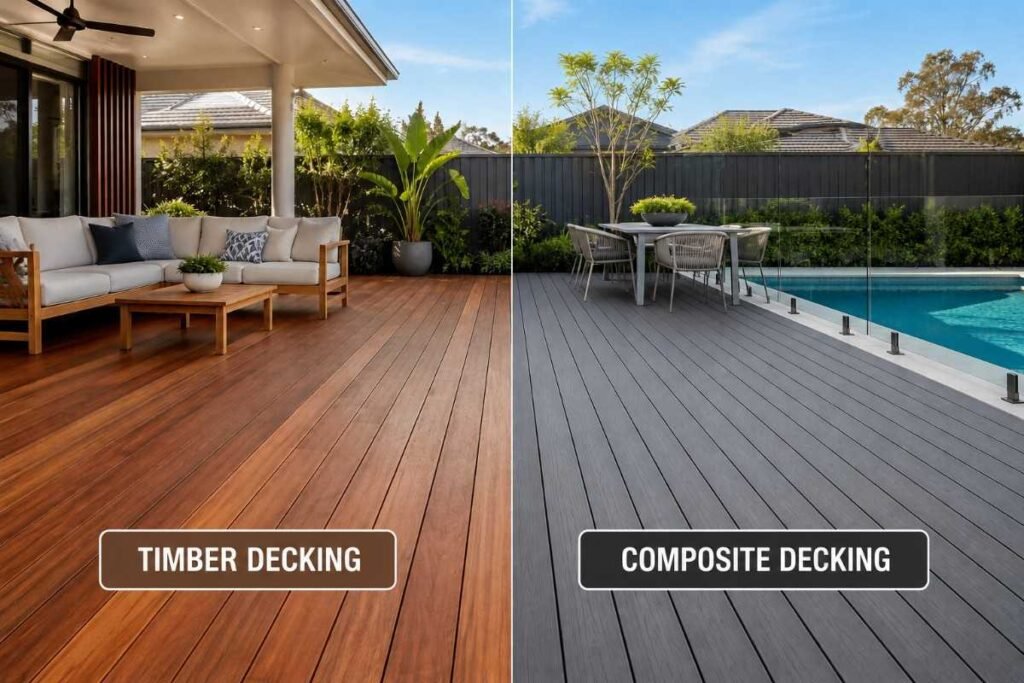
Spotting real structural damage, the kind hiding under the surface, takes an experienced eye. Timber and composite decking hold up differently against Sydney’s climate, and knowing what to look for is often the difference between a job that lasts and one that needs redoing in a year.
MVR Decking company was named Best Timber Deck 2024 by the Australian Decking & Handrail Association, which says something about the standard we bring to every job, not just new builds. Using the right materials for local conditions is what actually makes repairs last.
Keep Your Sydney Deck Safe, Strong and Long-Lasting
Your deck probably gets more use than you give it credit for, so its upkeep shouldn’t be something you only think about once it’s a problem. Catching these signs early protects your family and the money you’ve already put into your outdoor space.
If any of this sounds familiar, it’s worth getting a proper assessment before something small turns into something a lot bigger.
Frequently Asked Questions
How do I know if my deck needs restoration?
How do I know if my deck needs restoration?
Press your thumb into a few boards near ground level and check shaded corners for mould. Soft timber, movement underfoot, or fading are all signs it’s time for a check.
What are the signs of a damaged timber deck?
What are the signs of a damaged timber deck?
Cracked or splitting boards, cupping or twisting, wider gaps than usual, popped fixings, and patchy discolouration where the coating’s failed.
How much does deck restoration cost in Sydney?
How much does deck restoration cost in Sydney?
Depends on the size of the deck and how much part needs replacing versus just resurfacing. A clean, sand and re-coat costs a lot less than a job involving structural repairs.
How long does deck restoration take?
How long does deck restoration take?
A standard clean, sand and re-coat usually takes one to two days. Jobs with board or structural repairs can take three to four days, mostly because of drying time.
Is deck restoration cheaper than replacing a deck?
Is deck restoration cheaper than replacing a deck?
Usually, yes, as long as the frame’s still sound. If the joists or bearers are compromised, replacement can end up making more sense.
How often should a timber deck be restored?
How often should a timber deck be restored?
Most Sydney decks need a re-coat every two to three years, with a fuller restoration around the ten to fifteen year mark.
Can a damaged deck become unsafe?
Can a damaged deck become unsafe?
Yes. Rot can spread from boards into joists and bearers, which actually hold the deck’s weight. That turns a cosmetic issue into a structural one.
If your deck is showing any of these signs, don’t wait until it becomes a safety issue. Get in touch with MVR Decking for an honest assessment and restoration work.